The COO job is shifting from running yesterday's plant to designing how people and software work together. Here is what changes, what stays the same, and how to prepare.
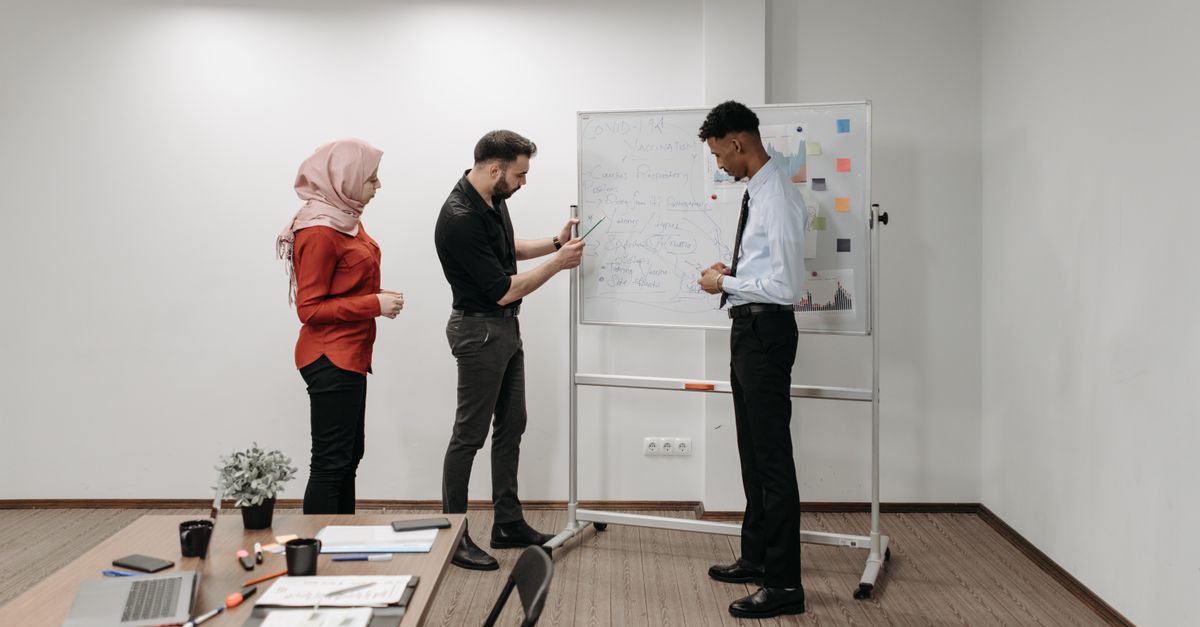
A next-gen operations team is not a pile of new tools. It is clear ownership, honest metrics, and a habit of improving the work — here is how to build one.
Sustainability sticks when it lives inside the work people already do — the run book, the purchase order, the shift handover — not in a separate program that competes for attention.
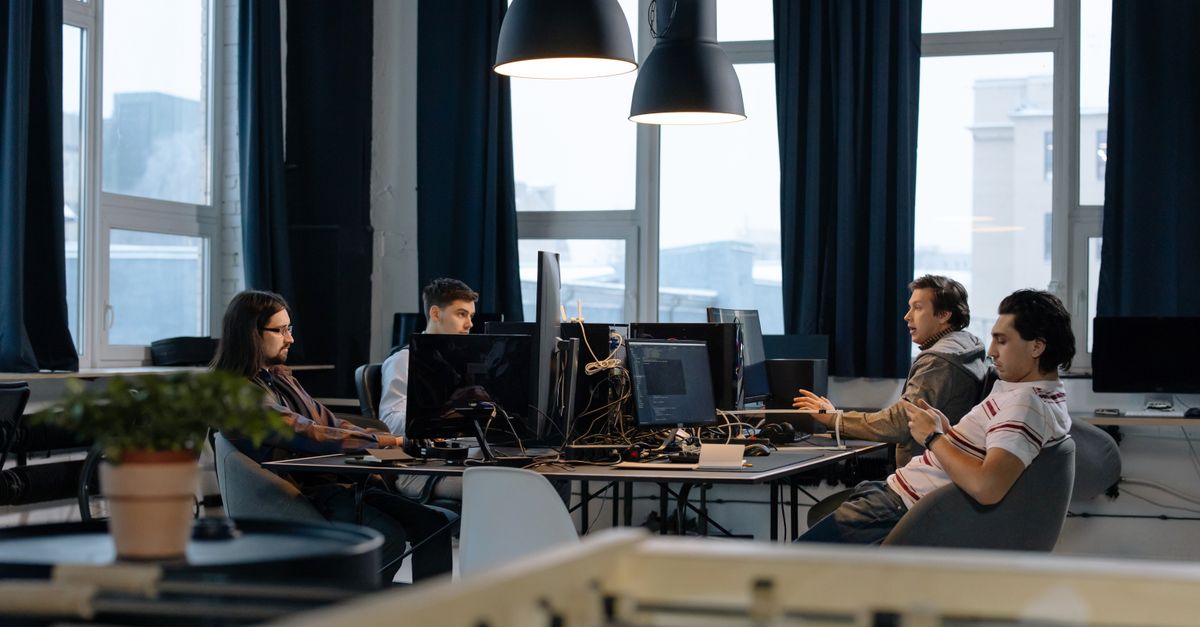
Leading a distributed operations team is won on clear written expectations and output-based measures, not surveillance software. Here is what strong remote operational leadership looks like day to day, and how to build it.
Your digital workforce is people, tools, and automation working as one system. Here is how to build the roles, set the operating rules, and measure whether distributed teams actually deliver.
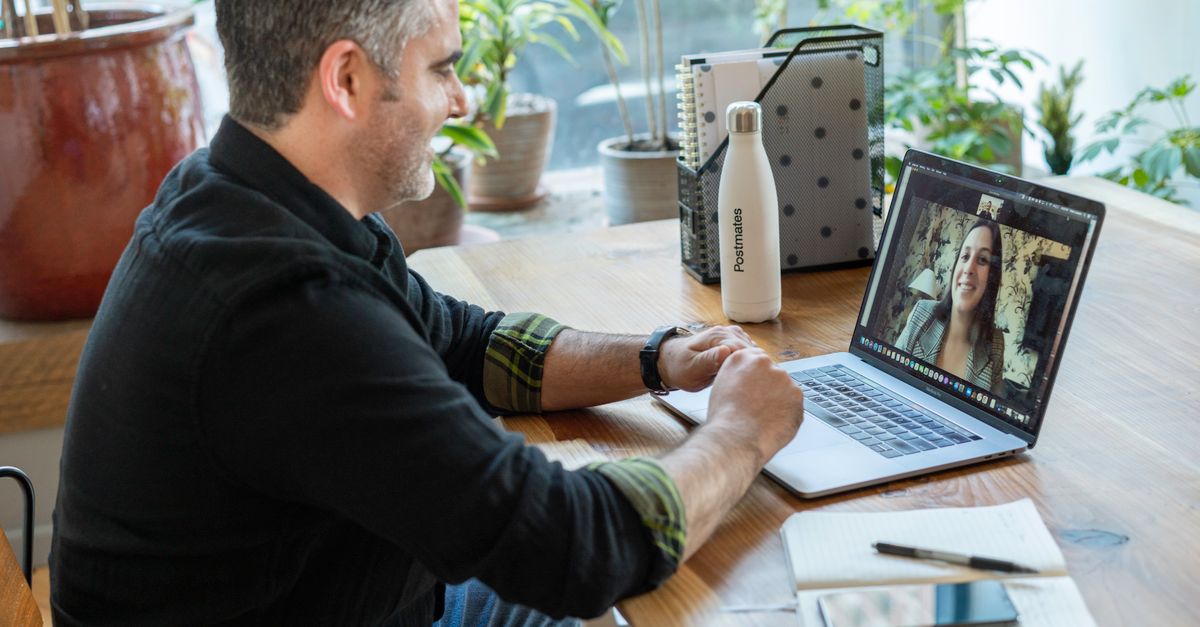
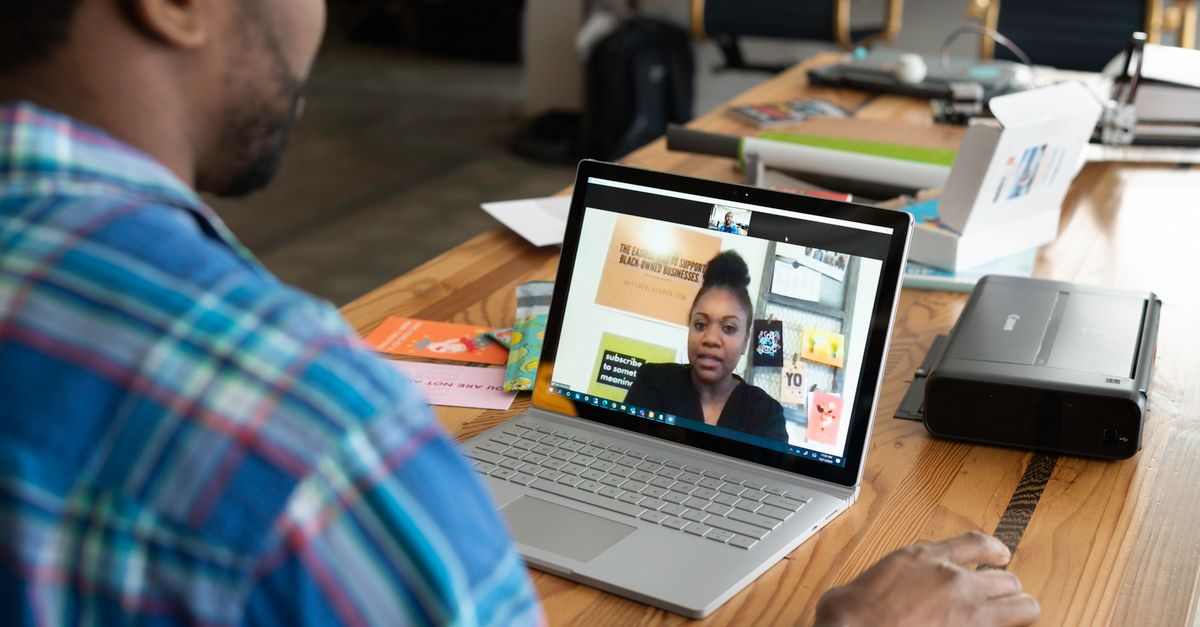
Leading a remote team is about judging output, not activity. Here is how a COO builds trust, runs async communication, and keeps people connected when the office is a screen.
The gap between an ESG pledge and a company that actually behaves sustainably is a leadership problem, not a reporting one — and as COO you own the daily operating rhythm where it gets decided.
A model that sits in a notebook changes nothing. The value shows up only when its output lands inside a system a person already uses — here is how to wire that plumbing without breaking what works.
A transformation succeeds when someone owns execution and protects the day job at the same time. Here is how a COO scopes, sequences, and governs the work so change sticks.
Leading operations across borders, time zones, and cultures comes down to one rule: standardize what protects the customer, localize what serves the market, and be explicit about which is which.
Being a digitally-fluent COO is not about buying tools. It is about knowing which decisions to hand to a model, which to keep human, and how to prove the difference paid off.
Digital transformation is an operating change, not a technology purchase. Here is how a COO scopes it, sequences it, governs it, and avoids the failures that stall most programs.
The COO has moved from keeping operations running to owning how strategy actually gets executed. Here is what changed, what strong looks like now, and how to grow into the modern version of the job.
Distributed operations run on written cadence and clear ownership, not more meetings. Here is how a COO keeps a spread-out company on the same page and shipping.
Sustainability that survives a board meeting is the kind that also shows up in the operating budget. Here is how a COO runs it as an operations problem — energy, waste, supply chain, and metrics — not a side project.