Manufacturing Automation: A COO's Playbook for ROI & Rollout
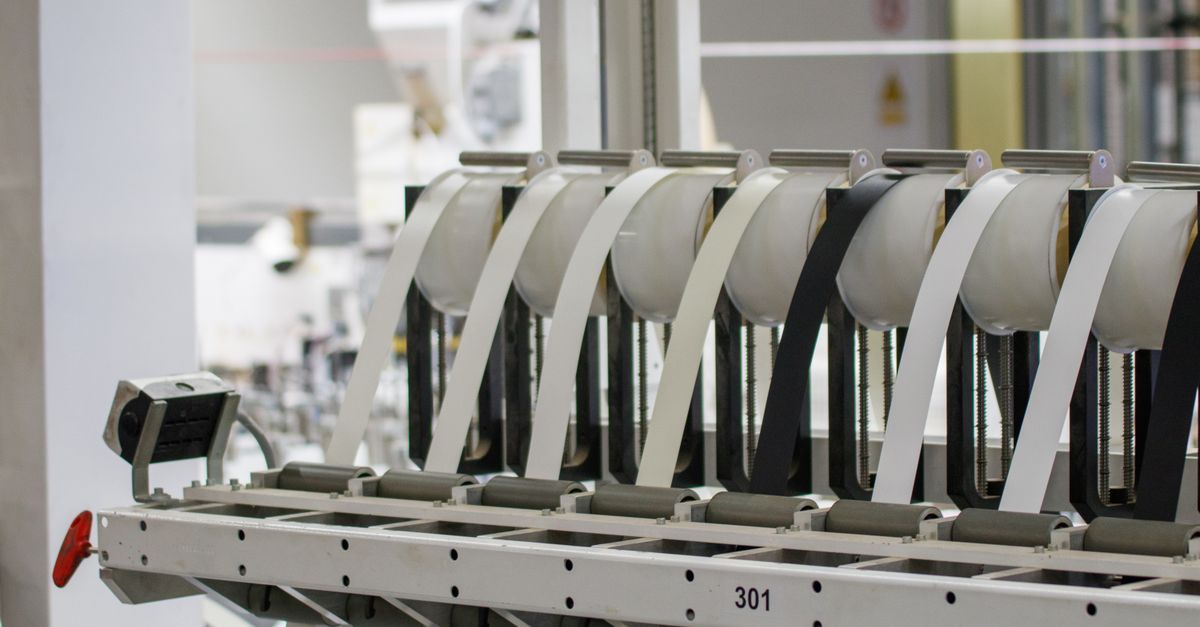
Automate the tasks that are repetitive, high-volume, or dangerous first, prove the payback on a single cell, then expand. That sequence is the whole game. Most factory automation programmes fail not because the robots are wrong but because the COO tries to convert the entire plant at once, buys technology before mapping the process, and treats displaced workers as a line item instead of the people who will run the new equipment.
As a COO, you are the person who has to hold three things in balance at the same time: throughput today, the capital case for tomorrow, and a workforce watching to see whether "automation" means investment or redundancy. This guide walks through where automation actually pays, the core technology concepts you need to speak to without pretending to be an engineer, how to model return honestly, and how to roll it out in phases that de-risk the line. For the broader operational context, pair it with our manufacturing COO guide and the cross-industry view in the operations automation guide.
Deciding where to automate
Automation earns its keep on tasks that are repetitive, predictable, physically taxing, hazardous, or quality-critical. It struggles where work is highly variable, requires human judgement, or changes faster than you can reprogram it. The decision is not "should we automate the plant" but "which specific tasks, in what order."
A strong approach ranks candidate processes by a blend of volume, error rate, safety exposure, and labour cost, then automates the top of that list first. A weak approach automates the most visible or most photogenic station, or whatever a vendor happened to demo, and leaves the real bottleneck untouched.
To do this well, walk the line and map every step by cycle time, defect rate, and how often a human touches it. Score each step on how repetitive and how variable it is. The sweet spot is high repetition, low variability, and a real cost of doing it manually. A machining cell running the same part thousands of times a week is an obvious win; a low-volume custom assembly that changes every order usually is not, at least not yet.
For example, a mid-size plant found its packaging line ran three shifts of manual palletising with a chronic back-injury problem. That single station scored high on volume, safety exposure, and labour cost, so it became the pilot — not the flashy CNC upgrade the sales team pushed. Grounding the choice in a hard look at your process keeps you from automating the wrong thing beautifully.
The core technology, in plain terms
You do not need to program a robot, but you do need to understand what the pieces are and how they connect. Three layers matter most: the machines that act, the controllers that tell them what to do, and the software that coordinates the whole plant.
A strong grasp lets you challenge a vendor's design and spot integration gaps early. A weak grasp leaves you approving a capital request you cannot actually evaluate, trusting the supplier's word on whether their island of automation will talk to the rest of your factory.
Here is the practical vocabulary:
| Layer | What it is | What it does for you |
|---|---|---|
| Industrial robots | Fixed, caged arms built for speed, reach, and payload | Repetitive high-volume tasks: welding, palletising, machine tending |
| Cobots | Collaborative robots that work safely beside people | Lower-volume, flexible tasks without full guarding |
| PLC | Programmable Logic Controller — the rugged computer running a machine or cell | Executes the step-by-step logic that drives sensors, motors, and actuators |
| SCADA | Supervisory control and data acquisition | Real-time monitoring and control across many machines |
| MES | Manufacturing Execution System | Tracks work orders, quality, and output between the shop floor and your ERP |
| Predictive maintenance | Sensor data plus analytics on equipment condition | Flags a failing bearing or motor before it stops the line |
The most common integration mistake is buying capable machines that each run their own PLC but never wiring them into an MES, so you get faster stations and still no plant-wide visibility. The MES is what turns isolated automation into a system you can actually manage. Think through this data architecture before you buy hardware, in step with your wider tech integration roadmap.
Modelling the ROI honestly
Automation ROI is the point where the total gain — labour saved, extra capacity, less scrap, fewer injuries, steadier quality — exceeds the total cost, which is far more than the sticker price of the robot. Payback period is the plainest way to express it: how many months until the savings repay the investment.
A strong business case counts the full cost of ownership and uses conservative, defensible savings. A weak one compares only the equipment price against headcount reduction and quietly ignores integration, training, downtime during install, and ongoing maintenance.
Build the case from both sides. On the cost side, include the equipment, integration and installation, control and safety systems, staff training, the production you lose during commissioning, and annual maintenance and spares. On the benefit side, quantify labour redeployed, added throughput, reduced defects and rework, lower energy or material waste, and avoided safety and insurance costs. Where you cannot put a firm number on something, say so and treat it qualitatively rather than inventing a percentage.
For example, a components maker justified a welding cell not on labour cut alone but on a large drop in weld rework plus the ability to add a third shift with the same crew. The rework and capacity gains, not headcount, carried the payback. Keep the assumptions transparent so finance can stress-test them; the discipline in our cost management strategy applies directly here.
The workforce impact
Automation changes what people do far more than it eliminates people. Machine tenders become machine supervisors; manual inspectors become quality analysts reading vision-system data; the plant needs more technicians who can program, maintain, and troubleshoot. Handled well, this is an upskilling story. Handled badly, it is a trust-destroying one.
A strong response names the change early, retrains the affected crew, and creates a visible path from the old role to the new one. A weak response goes quiet, lets rumour fill the gap, and springs the reassignment on people the week the equipment arrives.
Start communicating before the first purchase order, not after. Map which roles change and design the retraining for each — PLC basics for a line lead, vision-inspection reading for an inspector, preventive-maintenance routines for a technician. Redeploy where you can rather than cut, because the people who already know the product make the fastest new operators. Where roles genuinely end, be straight about it and support the transition properly.
For example, a plant that automated its palletising retrained its palletisers as line technicians on the new cell; retention held and the crew became the change's advocates rather than its resisters. The people side is where automation programmes are usually won or lost, which is why sound change management strategies belong in the plan from day one.
Rolling it out in phases
A phased rollout means proving the concept on one contained cell, learning from it, then expanding deliberately — never converting the whole plant in a single leap. Each phase reduces risk before you commit more capital.
A strong rollout starts on a non-critical line, sets clear success metrics before go-live, and only scales once the pilot hits them. A weak rollout goes plant-wide on a big-bang deadline, so any integration flaw takes down real production and there is no fallback.
A workable sequence looks like this:
- Phase 1 — Pilot. Automate one contained, non-critical cell. Define what success means up front: cycle time, defect rate, uptime, OEE.
- Phase 2 — Measure and learn. Run the pilot against those targets. Fix integration gaps, refine the maintenance routine, and confirm the numbers hold in real conditions.
- Phase 3 — Expand to critical processes. Move to higher-stakes lines with the lessons banked and a rollback plan ready.
- Phase 4 — Standardise. Roll the proven pattern across similar lines and lock in the maintenance, training, and monitoring standards.
Key takeaways
- Automate repetitive, high-volume, and hazardous tasks first; leave highly variable, judgement-heavy work to people until the case is clear.
- Map the process before you buy technology — the biggest wins are often the unglamorous stations, not the flashiest machines.
- Understand the layers: robots and cobots act, PLCs control, and an MES ties the plant together. Isolated automation without an MES gives you speed but no visibility.
- Model ROI on total cost of ownership and conservative, defensible savings — not equipment price versus headcount.
- Treat the workforce as future operators of the new equipment: communicate early, retrain, and redeploy.
- Roll out in phases gated by OEE, starting on a non-critical cell and scaling only when the pilot earns it.
Frequently asked questions
Where should a COO start with manufacturing automation?
Start by mapping your processes and ranking them by volume, error rate, safety risk, and labour cost. Automate the highest-scoring repetitive task first as a pilot on a non-critical line. This proves the payback and builds internal confidence before you commit larger capital, rather than trying to convert the whole plant at once.
What is the difference between a robot, a cobot, and a PLC?
An industrial robot is a fast, high-payload arm that usually runs inside safety guarding for high-volume tasks. A cobot is a collaborative robot designed to work safely alongside people for lower-volume, flexible work. A PLC (Programmable Logic Controller) is the rugged industrial computer that runs the step-by-step logic controlling a machine or cell — it is the brain, while the robot is the muscle.
How do I calculate the payback period for automation?
Add up the full cost — equipment, integration, safety systems, training, lost production during install, and ongoing maintenance — then divide by the annual savings from labour redeployed, added capacity, reduced scrap and rework, and avoided safety costs. The result is roughly how many months until the investment repays itself. Keep the savings conservative and defensible so finance can stress-test them.
Will automation reduce my headcount?
Usually it shifts roles more than it cuts them. Manual operators become machine supervisors, inspectors become quality analysts, and the plant needs more maintenance and programming technicians. The strongest programmes retrain and redeploy existing staff, who already know the product and become capable operators quickly. Where roles genuinely end, be direct about it and support the transition properly.
What is OEE and why does it matter for automation?
OEE (Overall Equipment Effectiveness) is availability multiplied by performance multiplied by quality. It tells you, in one number, whether a machine is actually delivering good output at the expected rate and uptime. For an automation rollout it is the ideal gate between phases: you scale to the next line only when the pilot cell hits its OEE target, not because a calendar deadline arrived.
What is the most common mistake COOs make with automation?
Buying technology before mapping the process, and automating everything at once. Both create expensive, disconnected islands of automation that speed up individual stations without improving the plant. A phased approach — pilot, measure, expand, standardise — connected through an MES and gated by real metrics avoids both traps.